
Category Archives: Uncategorized

Careers, ambition, personal gains and group mentality A7 TDS

Any change that takes place will require somebody to be involved to get some gain from the situation. There is no point in being part of something if you are not going to gain something from it. Two of the factors involved in this are principle and ambition.

On the one hand, you can have your principles which affect how you would think based upon some moralities and gains. So there should be a moral gain that helps the most people in most situations. What can be looked at in this situation is how can a situation help the most people. If that situation does not help a lot of people then there is a moral loss.

Time is also a factor that hasn’t been addressed here. On the one hand, we do not know what gains we will get from brexit. They are hypothetical or idealist at the moment. We know we will have to go and renegotiate on tariffs and any services and products we will need in the future. On the other hand, we can bypass this at a later stage by remaining in the EU agreement.

The problem with a crisis is, somebody will appear to get personal gain from it. We should be able to measure the principle of an individual before we can see what gain they are asking for. On the one hand, we have careers and needs and desires of ambition. What principles exist there?

If an individual doesn’t operate in trade or international business (not business, international business – two differences) how can we believe them on issues on leaving trading agreements with hundreds of millions of people and over 2 dozen countries?

Anybody can create a group and then anybody can join that group based upon the belief the group has merit, simply because a number of people agree with the group. One thing you would need to ask yourself before joining the group is, personally, why would you want to join the group. Secondly, how much will I change from joining the group. Who you are before you join the group and after joining the group will be two very diffierent people – but you will be influencing other people to change as well – influencing them in a way that could affect the lives of tens of millions upwards of hundreds of millions of people.

There has been constant talk of the majority had spoken on brexit, but they hadn’t. There have been many changes to the economy, how we work and also how we negotiate and communicate with other countries since and before the brexit vote. There has been a loss in finances and resources and our position on the global stage has changed as well. Far less people have gained from this simply because of the way the crisis is unfolding.

If this was a good idea, wouldn’t everybody be behind it? Wouldn’t those behind it be able to explain how it works to everybody’s benefit. If it is to the detriment to somebody outside and inside of the UK – isn’t that a detriment to us all?
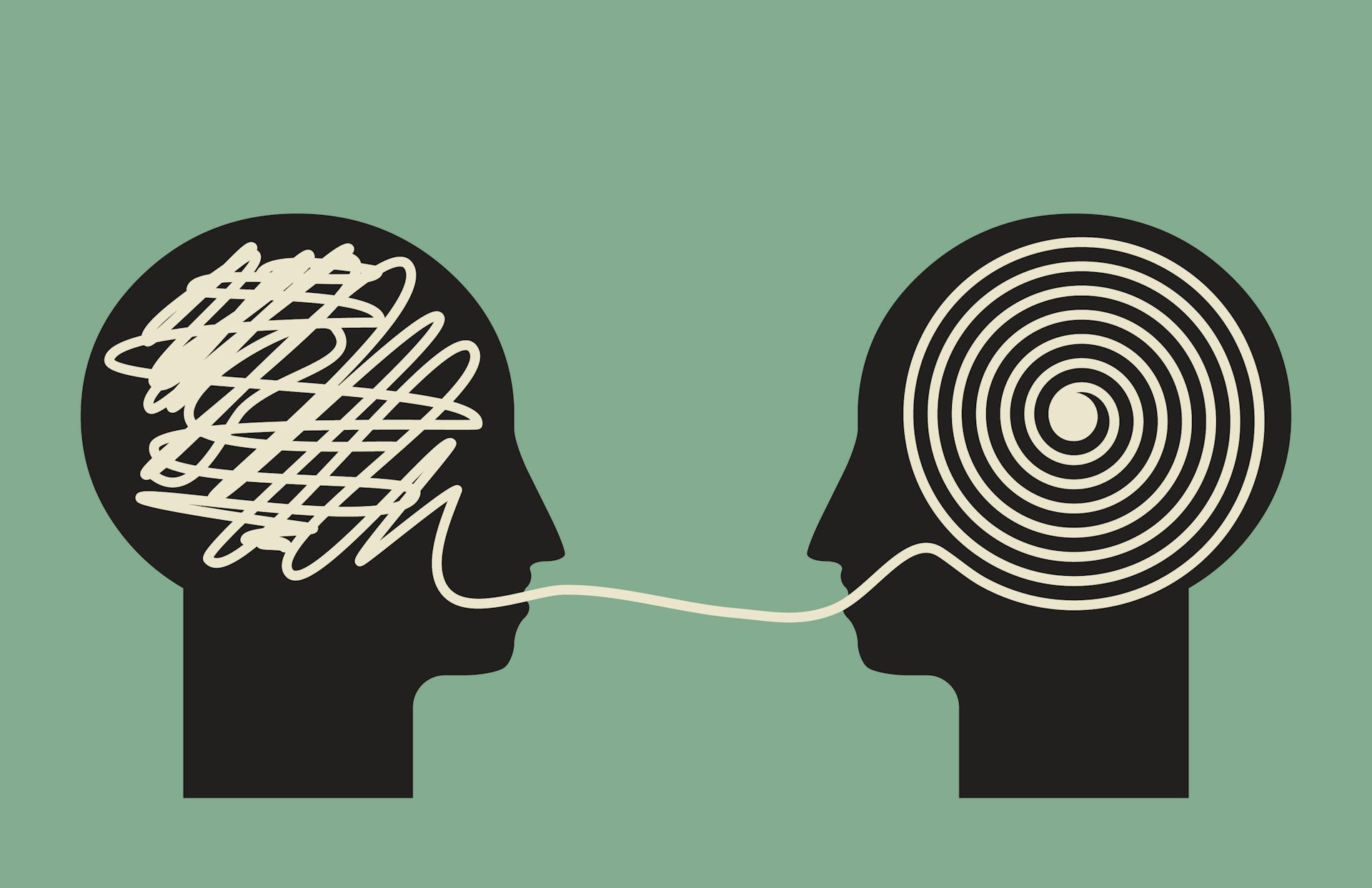
The paradox of bureacracies A6 TDS

As has become apparent or may not have done by this point, my main approach to trade and the choices of individuals in estimating and looking at trade (protectionism, isolationism or liberalism etc) is selective reasoning. If we were to address one individual with one assessment, we must assess all actors, all individuals in the same way.

So this is where the notion or wording of bureaucrats appears a lot. It has become a loaded word and emotive at that. Somebody hears the word bureaucrat now and they think this is a self serving individual who doesn’t think about anybody else, other than the benefits they will achieve from something.

So in order to look at this subject, in around 500 words again, we have to look at the benefits of an individual when they are called a bureaucrat and also address every individual as a bureaucrat in a position. Of course, we will also have to state what a bureaucrat is, whether the term has been used accurately or not.

So a bureaucrat is somebody who is in control or power of a large number of people in either a government, company or other large estabilishment. The change in meaning has occurred that leads people to see bureaucrats as people who care less for others and only look at their own interests. So if we are to call people in charge of the EU as bureaucrats then, we must do the same with other leaders, like those of political parties, companies, movements. They are all bureaucrats. We must then look at what and who they are supporting.

So if we take a political stance, those on the left would be supporting equality and more power to people. Which lessens the effects of bureaucracy. So, since we are looking at other groups we can say without explaining too much that is a bureaucracy looks only at the interests of the rich, of people whose benefit is self gratification and personal growth over national growth then those are true bureaucrats.

So it becomes very difficult to view the EU as a bureaucracy as it is elected and brought into power by left and right leaning governments and has human rights laws, that are progressive in social change and the eradication of poverty. There is an ongoing need to change the European union for the betterment of not only members of the EU but all those who directly trading in a free trade with the EU as well.

Now I understand people will argue this because they disagree with the distance of power. The distance of power will be an issue later but, you can change that. If you are part of the EU you can go to them and plead your case and argue and debate it. That can change matters.

In finishing, look at an individual who is leading a movement of any kind or an organisation. Who benefits from their goals. How many people benefit from their goals. If they only benefit the rich, then they lean more towards bureaucracy but if they benefit a great number of people and want to create workers and human rights then it tends towards left thinking, and socialism.


The language of crisis, or not A5 TDS

So, I have started writing this and in time I will re-edit all things I have written. This is because, nothing is set in stone, things change and we can change thing for the better – but also, everything just blurted out quickly and I just wrote down or thought I would write down my opinions on certain factors of trade. The problem with this is or the problem I feel this has is it doesn’t seem to connect to anything in particular.

Was this my problem or is this generally a problem with the media?

In my previous post, I talked about the problems with language or the problems with language in a particular context. That context could be science, religion, industry, football clubs – anything. They are constructed to self preserve a particular movement. At this point I can jump the gun on what I am saying.

The language of crisis, preserves the crisis. So you have to replace the language of crisis, the language people use during a crisis to stop it from being a crisis. There is no point having a crisis because a crisis is a problem.

Now I don’t stop there. What do you change it with? Do we have something to replace it with? Remarkably, we do. We replace it with something that doesn’t cause harm to anybody.

One thing I find interesting about the world is, we have the technology to keep people warm and sheltered and fed. We have it so well formed that we can keep over 7 billion people functioning perfectly. The things that get in the way are policy and rules and regulations. I said in a previous blog post, that policy doesn’t reach the vulnerable – but it does, and so I do wonder why I wrote that, until I realised. I was wanting to say, policy does not benefit the vulnerable.

It doesn’t, does it, usually. What if we lived in a world where policy does help the vulnerable. Let’s remove the vulnerable and say, policy helps vulnerabilities to stop being vulnerabilities. If trade has vulnerabilities, the trade remains vulnerable for the most vulnerable – for everybody.

Now I can go completely full circle on this and illustrate how, the language of crisis, can remain about crisis but it is about alleviating crisis by aiding the removal of vulnerabilities.

One thiing I didn’t comment on was why is language of a context self preserving. Well I will cover this in a later post about protecting the boundaries of groups. It gives people something to belong in and with that, is the question of what we are trying to protect.

Language of Trade and mainstream dialogue A4 tds

I never really thought about how writing a blog would be difficult. I have no problem with content because there is so much of the content out there. The one aspect I have a difficulty is taking current left wing and right wing narratives and making them as neutral as possible under a context of objectivity. That objectivity would be related to workable universal values that are progressive for everybody.

This is difficult. In order to detach yourself from right and left wing narratives, you have to balance yourself and use terminology that is not emotive, that detracts from actors who are overtly left and right and relate to individuals who are grossly affected by trade. Those grossly affected are usually at the bottom of the marketing pyramid in any situation. If you are at the bottom, you will usually, be untouched from policy and you will be less involved in culture and common notions.

Without me relating to terms like A1 and C2DE which will make me apply current narratives of a mainstream media narrative, I will have to state that there will always be bias. But this bias is based upon me collating the evidence and applying it, which I will do, continuously and it’s also why I write at the top – all articles are in edit mode. I will continue to change articles and change language as the world changes.

So who knows what will happen.

So if I get to the crux, in the end, in reflection of history, the most affected in policy and trade are, as I stated, those at the bottom of the pyramid in terms of marketing. It’s not the middle class, it’s not a lot of the working class and obviously not the upper classes. It’s those who exist to do the work that makes the other work happen :).

We live in a world where the skilled worker, the skilled professional is seen as important but only important to other skilled professionals and skilled workers but, they cannot accomplish the lofty abilities of a developed economy if somebody isn’t keeping the goods and services moving through logistics and supply chains and making sure everything looks good.

Has trade helped these people? Will isolationist policies help them? Who do isolationist boundaries on nations help?

How do we reach those at the bottom. Well I think it’s through solid universal, long lasting infrastructure.

I also wanted to keep this simple but – that hasn’t happened. Anyway, it’s always in edit mode, so…